Designing Landing Pages That Actually Convert
Author
Navas
Published
December 20, 2025
Category
Design
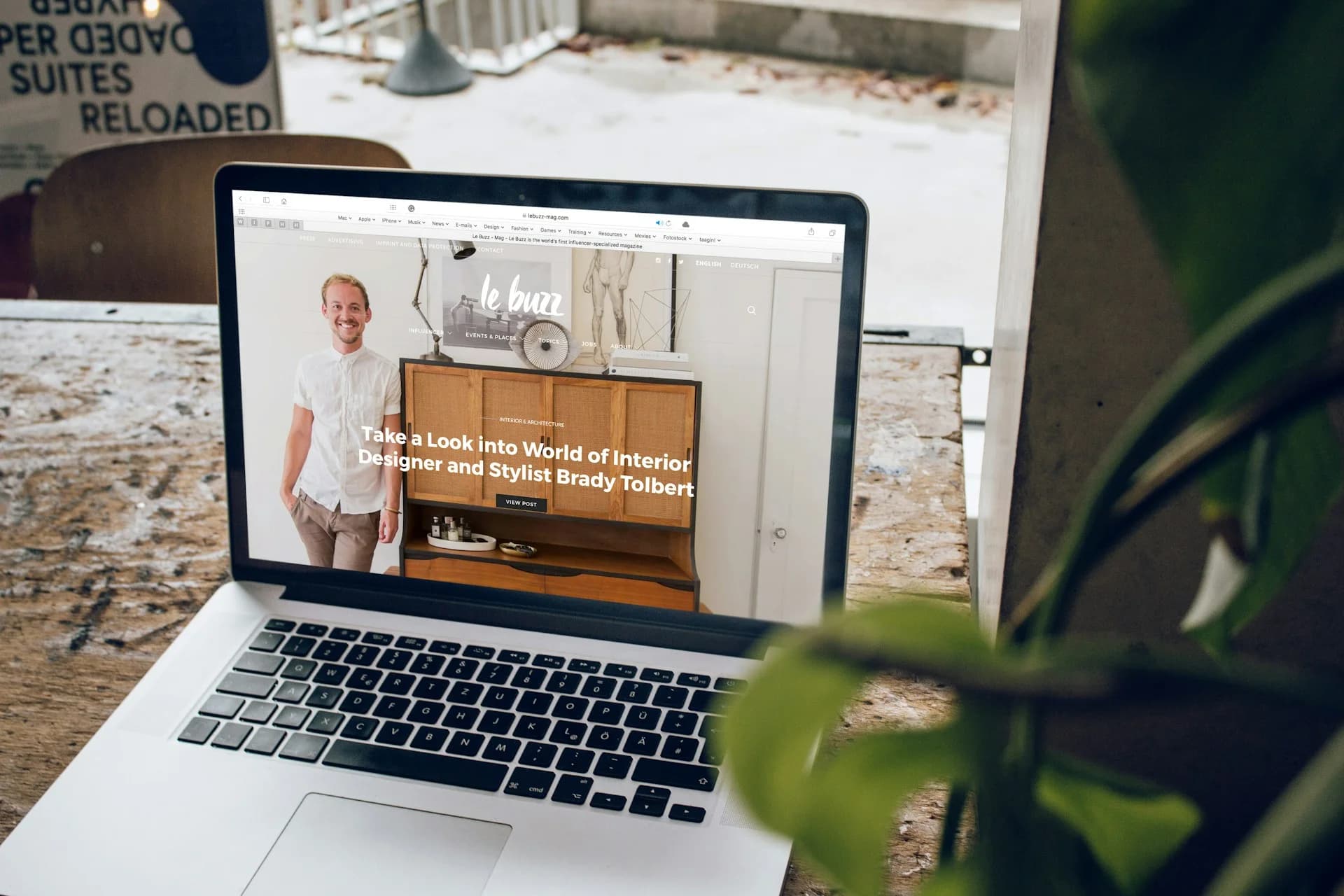
Key principles for creating landing pages that turn visitors into customers, backed by data and real-world testing.
The Conversion Reality Check
Here's a sobering statistic: the average landing page conversion rate is just 6.6% across all industries. That means over 90% of your visitors leave without taking action.
But here's the opportunity: bump your conversion rate from 2% to 4%, and you've just doubled your results. Same ad spend, same traffic, double the conversions. That's why landing page optimization isn't optional-it's where small changes create outsized impact.
Mobile First Isn't Optional
According to the 2024 Conversion Benchmark Report, 83% of all landing page visits happen on mobile devices. Yet only 50% of landing pages are properly optimized for mobile.
If your page takes more than 3 seconds to load on mobile, 53% of visitors will leave. That's not a design preference-it's physics. Mobile users are impatient, often distracted, and your page needs to work flawlessly in that context.
What Mobile-First Actually Means
- Design for the smallest screen first, then scale up
- Touch targets at least 44x44 pixels
- Text readable without zooming (minimum 16px body)
- Forms with minimal fields and smart keyboards
The Anatomy of High-Converting Pages
Above the Fold
Your headline, key benefit, and CTA must be visible without scrolling. This is where visitors decide in seconds whether to stay or leave.
Use contrasting colors and larger fonts to make your headline stand out. Your CTA button should be impossible to miss-not hidden in a sea of similar-looking elements.
Social Proof
Testimonials appear on 36% of top-performing landing pages. Real customer stories build trust faster than any marketing copy you can write.
Even better: adding live chat to landing pages increases sales by 20% on average. It signals that there's a real person behind the business.
Form Optimization
Every additional form field reduces conversions. Ask only for what you absolutely need. Use:
- Inline validation (show errors as users type)
- Progress indicators for multi-step forms
- Smart defaults where possible
The AI Advantage
In 2025, approximately 30% of companies use AI to enhance testing processes. AI-powered tools can speed up landing page creation by up to 90%.
But here's what AI can't do: understand your specific audience. Use AI for rapid iteration and testing, but validate everything with real user data.
Testing That Actually Works
A/B testing combined with heatmap tools and behavioral analytics leads to 2-3x improvements in conversion rates. Here's a practical approach:
- Identify the problem: Use heatmaps to see where users click (and where they don't)
- Form a hypothesis: "Users aren't seeing the CTA because it blends into the background"
- Test one change: Change the button color and measure results
- Iterate: Use the winner as your new baseline
The 400% Opportunity
A well-designed landing page can increase conversion rates by up to 400%. That's not hyperbole-it's what happens when you combine clear messaging, fast loading, mobile optimization, and proper testing.
The foundations are simple: know your audience, communicate one clear value proposition, and make it absurdly easy to take the next step.